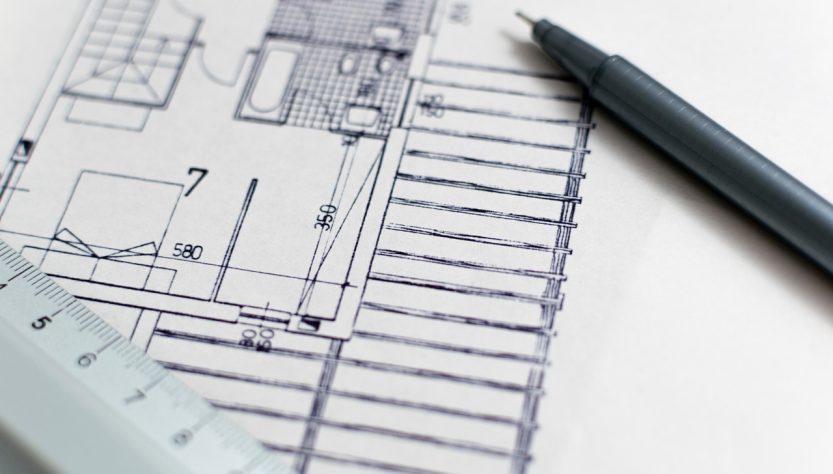
Engineering knowledge plays an important role in modern manufacturing because it connects technical understanding with practical production decisions. Successful manufacturing requires more than machinery and materials. It depends on careful planning, accurate measurements, process awareness, and the ability to solve problems effectively. In this context, Audrey Saylor represents a perspective that can be explored through the relationship between engineering expertise and smarter manufacturing decisions. Combining technical knowledge with practical thinking can help improve quality, efficiency, and consistency.
Table of Contents
- The Importance of Engineering Knowledge
- Connecting Design With Manufacturing
- Precision and Measurement
- Technology and Smarter Decisions
- Material Selection
- Improving Production Processes
- The Value of Professional Judgment
- Conclusion
The Importance of Engineering Knowledge
Engineering knowledge provides a foundation for understanding how products are designed, produced, and evaluated. Engineers consider dimensions, materials, tolerances, operating conditions, and performance requirements before production begins. These considerations help establish clear expectations for manufacturing teams.
A strong engineering foundation also makes it easier to recognize possible challenges before they become production problems. By examining designs carefully and considering how materials and processes interact, professionals can make decisions that support more reliable outcomes.
Connecting Design With Manufacturing
One of the most important responsibilities in engineering is connecting design concepts with practical manufacturing requirements. A design may appear effective in theory, but production conditions can introduce additional considerations.
Engineers must therefore think about how components can be produced accurately and consistently. They may evaluate material availability, production methods, equipment capabilities, measurements, and finishing requirements. This practical approach helps ensure that engineering decisions can be translated into dependable manufacturing results.
Precision and Measurement
Precision is central to making informed manufacturing decisions. Components often need to meet specific dimensional requirements, and even small differences can influence performance or compatibility.
Accurate measurement systems help manufacturers evaluate whether production results meet established specifications. Regular inspection can also identify variations early, allowing teams to make adjustments before larger problems develop. This approach supports both quality control and efficient use of materials.
Technology and Smarter Decisions
Modern manufacturing provides professionals with increasingly advanced technological tools. Digital planning systems, automated machinery, measurement equipment, and data-based monitoring can provide useful information for production decisions.
Technology can improve the speed and accuracy of manufacturing, but it still requires knowledgeable people to interpret results. Audrey Saylor reflects the broader idea that smarter manufacturing depends on combining technology with engineering judgment. Professionals must understand what the available information means and determine how it can be applied to improve production.
Material Selection
Material selection is another important engineering decision. Different materials have unique properties related to strength, hardness, flexibility, durability, and environmental resistance. Choosing an appropriate material requires an understanding of the intended application and production conditions.
Engineers must also consider how a material will respond during manufacturing. Some materials may require specialized processing methods, while others may be easier to shape or finish. Thoughtful material selection can improve both product performance and manufacturing efficiency.
Improving Production Processes
Smarter manufacturing decisions often involve reviewing existing processes and identifying opportunities for improvement. Professionals can examine workflow, equipment use, material handling, inspection procedures, and production timing.
Small changes can sometimes produce meaningful improvements. Reducing unnecessary steps, improving measurement practices, or adjusting production sequences can help reduce waste and improve consistency. Continuous improvement encourages manufacturers to evaluate their methods rather than simply repeating established practices.
The Value of Professional Judgment
Although technology continues to influence manufacturing, professional judgment remains essential. Engineers and experienced production specialists can evaluate unusual conditions, identify potential risks, and determine appropriate solutions.
Practical experience can also help professionals understand the difference between a theoretical solution and one that works effectively in a real manufacturing environment. Combining education with experience creates a stronger foundation for informed decision-making.
Conclusion
Engineering knowledge supports smarter manufacturing by helping professionals understand materials, processes, measurements, technology, and performance requirements. Careful engineering decisions can improve precision, reduce waste, strengthen quality, and encourage continuous improvement. Through this broader perspective, Audrey Saylor highlights the importance of combining technical expertise with practical manufacturing thinking. As production methods continue to evolve, informed engineering decisions will remain important for achieving efficient, accurate, and dependable manufacturing outcomes.