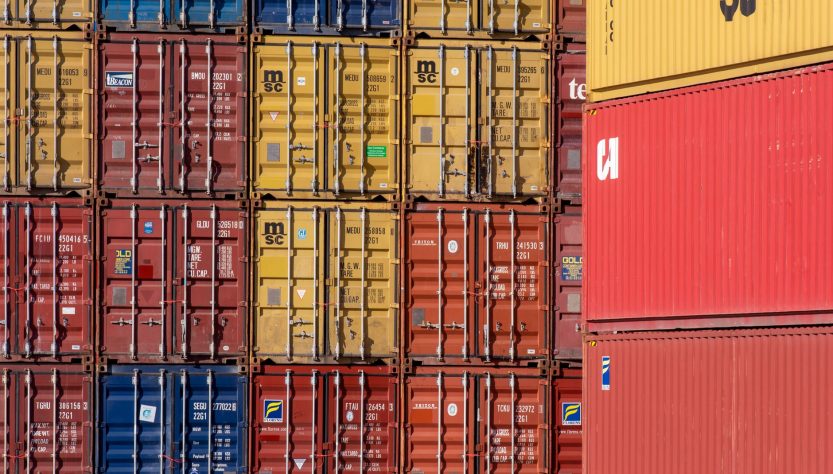
Container Freight Rates have recently declined on key routes to the Americas and Europe, impacting logistics companies and shipping costs globally.
Overview of Container Freight Rates
The global shipping industry is currently witnessing a significant downturn in container freight rates, particularly on vital trade routes to the Americas and Europe. This decline marks a concerning trend for businesses relying on international shipping for their operations. As demand for goods fluctuates, the cost of transporting containers has fallen sharply, impacting supply chains worldwide.
Several factors have contributed to this downward trend. Among them are:
- Overcapacity: An increase in available shipping capacity has led to intensified competition among carriers, driving prices lower.
- Decreased Demand: A slowdown in consumer spending has resulted in fewer imports, leaving many shipping lines with excess capacity.
- Economic Uncertainty: Global economic challenges, including inflation and geopolitical tensions, have caused businesses to reevaluate their shipping needs.
The impact of these declining container freight rates is being felt across various sectors, as companies struggle to adapt to the changing landscape. While lower rates can benefit importers, the overall instability raises concerns about the sustainability of the shipping industry. Stakeholders are closely monitoring these developments, hoping for a rebound in demand that would stabilize container freight rates in the near future.
Impact on Shipping Industry
The recent decline in container freight rates has sent shockwaves through the shipping industry, affecting various stakeholders from carriers to importers. This notable drop is a reflection of changing demand patterns and excess capacity in the market.
As shipping companies face significantly lower rates, many are forced to reassess their operational strategies. The impact is widespread:
- Carriers: Major shipping lines are experiencing reduced revenues, leading to potential layoffs and fleet reductions.
- Importers: While lower freight costs may seem beneficial for importers, the volatility in rates complicates budgeting and long-term planning.
- Ports: Increased congestion and reduced shipping volumes have resulted in lower port revenues, affecting operations and investments.
- Consumers: Fluctuations in shipping rates can eventually trickle down to consumers, influencing the prices of goods in retail markets.
Experts suggest that the current situation may lead to consolidation in the industry as smaller players struggle to survive in a competitive landscape marked by low container freight rates. The future of shipping hinges on how quickly the market can stabilize and adapt to these unprecedented changes.
Factors Influencing Freight Rates
Several factors are contributing to the recent decline in container freight rates, particularly on key routes to the Americas and Europe. Understanding these influences is crucial for stakeholders across the shipping industry.
- Supply Chain Dynamics: An oversupply of shipping capacity has emerged as many shipping lines ordered new vessels during the pandemic. This influx of ships has led to increased competition, driving down rates.
- Decreased Demand: Economic slowdowns in major markets have resulted in reduced consumer spending. As demand for goods declines, fewer containers are needed, further impacting freight rates.
- Port Congestion and Efficiency: Although port congestion has eased compared to previous years, operational inefficiencies still affect shipping times. Delays can lead to a mismatch between supply and demand, influencing freight rates.
- Fuel Prices: Fluctuations in fuel prices can also play a significant role. Lower oil prices may lead to reduced operational costs for shipping lines, which can result in lowered freight rates to attract more business.
- Geopolitical Factors: Trade policies and geopolitical tensions can create uncertainty in global trade. Changes in tariffs or sanctions can disrupt established routes and affect freight rates adversely.
Overall, these factors collectively contribute to the current scenario of container freight rates experiencing their worst decline on key routes.
Recent Trends in Logistics
Recent trends in logistics have shown a significant downturn in container freight rates, particularly on major routes to the Americas and Europe. As supply chain disruptions from earlier years begin to stabilize, many analysts are observing a stark contrast in shipping costs. The decline in container freight rates has raised concerns among shipping companies and logistics providers, who must adapt to a rapidly changing market.
Key factors contributing to this decline include:
- Increased Capacity: Many shipping lines have added new vessels, leading to oversupply in the market.
- Decreased Demand: A slowdown in consumer spending has resulted in lower shipping volumes, further exacerbating the imbalance.
- Global Economic Conditions: Economic uncertainties in various regions have led to reduced trade activities, impacting freight rates.
As companies navigate these changes, they are forced to reevaluate their logistics strategies. The current decline in container freight rates may provide opportunities for cost savings, but it also poses challenges in maintaining profitability. Many industry experts predict that rates may stabilize in the coming months, but the trajectory will depend heavily on global demand and supply dynamics.
In conclusion, the logistics sector is at a pivotal moment, confronting the worst decline in container freight rates on key routes, as stakeholders brace for the implications ahead.
Comparative Analysis of Routes
The recent decline in container freight rates has been particularly evident across various key shipping routes. A comparative analysis reveals significant variations in rate fluctuations, reflecting the complex dynamics of global trade.
- Trans-Pacific Route: This major route connecting Asia to North America has experienced a steep decline. Rates have dropped by over 30% compared to last year, driven by decreased demand and increased shipping capacity.
- Asia to Europe: Similarly, the Asia-Europe shipping lane has seen a notable reduction in freight costs. Current rates are down by approximately 25%, influenced by declining imports and a backlog of available containers.
- Intra-Asia Trade: In contrast, intra-Asian routes have shown more stability. While some fluctuations exist, container freight rates here have not faced the dramatic declines seen on transcontinental paths, suggesting stronger regional demand.
- North America to South America: Rates on this route have also slipped, albeit at a slower pace. The decline is attributed to seasonal variations in trade patterns and economic conditions specific to the region.
Overall, the comparative analysis underscores the uneven impact of the current market conditions on container freight rates, with some routes experiencing harsher declines than others, reflecting broader trends in global logistics.
Future Predictions for Shipping
As the shipping industry grapples with the recent downturn in container freight rates, analysts are looking ahead to predict future trends. The decline has raised questions about the sustainability of current pricing levels and the potential for recovery in the coming months.
Experts have identified several factors that may influence container freight rates in the near future:
- Global Economic Recovery: The pace of economic recovery in key markets such as the US and Europe will play a critical role in determining demand for shipping services.
- Supply Chain Resilience: Companies are increasingly focused on building more resilient supply chains, which may lead to fluctuations in freight demand as they adjust to new operational strategies.
- Fuel Prices: Changes in fuel prices could impact shipping costs, as higher costs may eventually be passed on to consumers or lead to further declines in rates.
- Regulatory Changes: New regulations aimed at reducing emissions from shipping vessels could alter operational costs, thereby affecting container freight rates.
While the current decline is notable, many in the industry remain cautiously optimistic. A rebound in trade activity, driven by consumer demand and economic stabilization, could signal a turnaround for container freight rates, fostering a more balanced market in the future.
Advice for Logistics Companies
The recent decline in container freight rates has left many logistics companies grappling with how to adapt to the changing landscape. As businesses face unprecedented challenges, it is crucial for logistics providers to develop strategies that can mitigate risk and ensure efficiency in their operations.
First, it is essential for logistics companies to enhance their visibility across supply chains. By investing in advanced tracking technologies and data analytics, firms can better anticipate shifts in demand and adjust their shipping routes accordingly. This proactive approach can lead to significant cost savings and improved service levels.
Second, companies should consider diversifying their shipping options. Relying heavily on a limited number of routes may expose businesses to vulnerabilities, particularly during periods of fluctuating container freight rates. By exploring alternative shipping lanes and modes of transport, firms can enhance flexibility and responsiveness to market changes.
Moreover, establishing strong relationships with various partners—such as freight forwarders, shipping lines, and port operators—can help logistics companies secure more favorable rates and improve service reliability. Collaboration is key in navigating the complexities of international shipping.
Lastly, continuous evaluation of logistics processes is vital. Regularly assessing operational efficiencies can uncover opportunities for cost reductions and better service delivery, ensuring that companies remain competitive in a challenging market environment.
Conclusion and Key Takeaways
The recent decline in container freight rates has raised significant concerns across the shipping industry. As highlighted in various analyses, the current downturn represents one of the worst declines on key routes, particularly those connecting to the Americas and Europe. This drop not only affects shipping companies but also has far-reaching implications for global trade dynamics.
Key takeaways from the current situation include the following:
- Market Volatility: Container freight rates are experiencing unprecedented volatility, prompting logistics companies to reassess their strategies.
- Cost Pressures: With freight rates decreasing, shippers may face pressure to reduce prices, impacting profit margins.
- Demand Fluctuations: The decline is largely attributed to changing demand patterns, which may continue to evolve in the coming months.
- Long-Term Implications: While the immediate effects are concerning, the long-term implications for trade routes and shipping costs are yet to be fully understood.
- Adaptation Required: Logistics companies must adapt to these changing conditions to remain competitive, focusing on efficiency and cost management.
In conclusion, the decline in container freight rates presents a complex challenge that will require careful navigation by industry players. Staying informed and agile will be crucial for companies looking to thrive in this shifting landscape.
Photo by Jan van der Wolf on Pexels