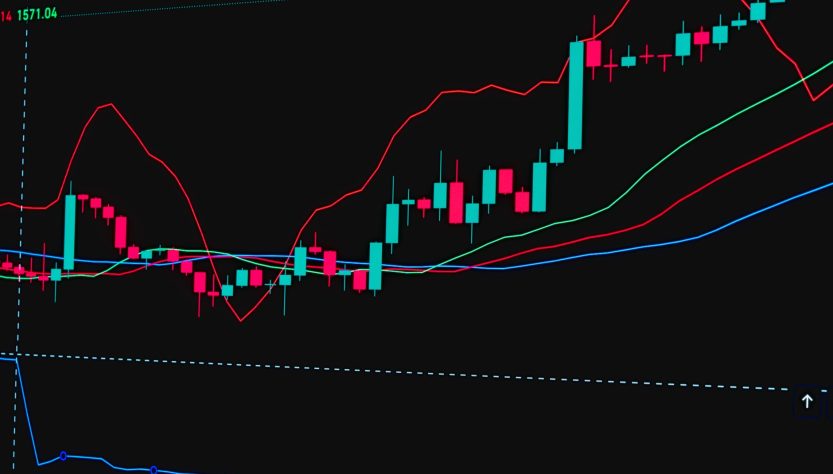
Sensex Nifty market trends are showing a subdued start as crude threats and global tensions impact markets. Investors are closely watching these developments.
Understanding the Current Market Conditions
The recent fluctuations in the Sensex and Nifty have raised concerns among investors, primarily due to the escalations in crude oil prices and ongoing global tensions. These factors have created a subdued start for both indices, impacting overall market sentiment.
As the geopolitical landscape shifts, the following elements are contributing to the current market conditions:
- Crude Oil Prices: The rise in crude prices has historically had a significant impact on the Indian economy, affecting inflation and the cost of goods. Investors are wary of the potential long-term effects on corporate profitability.
- Global Tensions: Heightened geopolitical issues have led to uncertainty in international markets. This has resulted in cautious trading, as investors seek to mitigate risks associated with volatile conditions.
- Domestic Economic Indicators: Despite the global uncertainties, some domestic indicators show resilience. However, the overall sentiment remains cautious as investors weigh the potential risks against any positive economic news.
In conclusion, the current market conditions reflect a complex interplay of domestic and international factors. Stakeholders are closely monitoring developments related to crude threats and other global issues, as these elements will significantly influence the future trends of the Sensex and Nifty.
Impact of Crude Oil Prices on Indian Markets
The recent volatility in crude oil prices has been a significant factor influencing the Indian markets, particularly the Sensex and Nifty. As global tensions rise, the market has reacted with caution, leading to a subdued start for both indices.
The fluctuations in oil prices are primarily driven by geopolitical events and supply chain disruptions. As oil is a critical commodity for India’s economy, any increase in prices can lead to higher inflation and affect consumer spending. This, in turn, has a ripple effect on various sectors, including transportation, manufacturing, and finance.
Analysts believe that the worst impact from crude threats could lead to:
- Increased Input Costs: Companies may face higher operational costs, which could squeeze profit margins.
- Currency Fluctuations: A rise in oil prices often leads to depreciation of the Indian rupee, further complicating the economic landscape.
- Investor Sentiment: Heightened uncertainty can lead to a decline in investor confidence, resulting in reduced capital inflows.
As the market navigates these challenges, the Sensex and Nifty will remain sensitive to further developments regarding crude oil prices and their potential consequences on the broader economy.
Global Tensions and Their Effects on Investments
The ongoing global tensions are significantly affecting investments in the Indian markets, particularly reflected in the behavior of the Sensex and Nifty indices. Investors are increasingly cautious as geopolitical uncertainties create ripples across various sectors. The recent threats stemming from crude oil supply disruptions have further exacerbated the volatility in the market.
Market analysts note that the intertwining of crude oil prices and global conflicts is a pivotal factor influencing investor sentiment. As the price of crude oil rises due to these tensions, the cost of essential commodities also surges, leading to inflationary pressures. This, in turn, raises concerns regarding the sustainability of economic growth, prompting many investors to pull back on their commitments.
- Increased Volatility: Frequent fluctuations in the Sensex and Nifty highlight the market’s sensitivity to global events.
- Investor Sentiment: Fear of further escalation in conflicts often leads to a flight to safety, impacting investment strategies.
- Sectoral Impact: Industries closely tied to oil and energy sectors face heightened risks, potentially leading to broader market declines.
As the situation evolves, the Sensex Nifty market trends will likely continue to reflect the uncertainties arising from these global developments. Investors are advised to remain vigilant and adapt their strategies accordingly.
Expert Opinions on Market Outlook
Market experts have recently expressed their concerns regarding the ongoing trends in the Sensex and Nifty indices, particularly emphasizing the adverse effects stemming from rising crude oil prices and global tensions. Analysts believe that these factors have created a precarious environment for investors, leading to volatility in the markets.
According to Ravi Kumar, a senior analyst at a prominent brokerage firm, “The Sensex and Nifty are likely to experience further fluctuations as crude oil prices remain unstable. This volatility can heavily impact sectors such as transportation and manufacturing, which are sensitive to oil price changes.” He also noted that investor sentiment is fragile, making it crucial to monitor geopolitical developments closely.
Deepa Sharma, an investment strategist, added, “With the current market trends, investors should adopt a cautious approach. Diversifying portfolios and focusing on defensive stocks may mitigate risks associated with crude threats.” She emphasized the importance of being prepared for potential market corrections.
In summary, the outlook for the Sensex and Nifty remains uncertain amid these challenges. Experts advocate for a careful analysis of market developments and recommend staying informed to navigate the upcoming fluctuations effectively.
Key Indicators to Watch in the Coming Days
As investors navigate the turbulent waters of the current economic landscape, several key indicators will play a crucial role in determining the trajectory of the Sensex and Nifty market trends in the coming days. Analysts suggest that keeping an eye on these indicators may provide valuable insights into potential market movements.
- Crude Oil Prices: With ongoing threats related to crude oil supply and pricing, fluctuations in these prices will significantly impact market sentiment. A rise in crude prices could lead to heightened inflation concerns, affecting investor confidence.
- U.S. Market Performance: The performance of U.S. markets, particularly the Dow Jones and S&P 500, will be closely monitored. Any significant shifts in these indices may influence foreign investment flows into Indian markets.
- Currency Exchange Rates: The strength of the Indian Rupee against the U.S. Dollar will be another critical factor. A weakening Rupee may increase import costs, which could have a cascading effect on inflation and overall market performance.
- Economic Data Releases: Scheduled economic reports, including GDP growth rates and inflation figures, are expected to provide further clarity on the health of the Indian economy and its implications for the Sensex and Nifty.
As these indicators unfold, investors should remain vigilant and adaptable to shifting market dynamics.
Historical Trends of Sensex and Nifty
The historical trends of the Sensex and Nifty provide valuable insights into the potential future movements of these indices, especially in the context of current market turbulence. Over the past decade, both indices have exhibited a mix of resilience and volatility, often responding sharply to external shocks such as geopolitical tensions and fluctuations in crude oil prices.
Notably, during periods of soaring crude prices, the markets have frequently faced downward pressure. For instance:
- 2011-2013: The Sensex and Nifty experienced significant declines as crude prices surged above $100 per barrel, impacting investor sentiment.
- 2018: Renewed fears over oil supply disruptions led to a marked decrease in both indices as inflation concerns mounted.
- 2020: The initial phases of the pandemic saw a drastic fall in oil prices, which paradoxically buoyed the markets temporarily, showcasing their intricacies.
As we analyze the current situation, it is essential to recognize that while historical trends of the Sensex and Nifty can guide expectations, the impact of crude threats and global tensions remains a crucial factor in shaping market dynamics. Investors must stay vigilant and adapt their strategies accordingly to navigate these changing tides.
Strategies for Investors During Market Volatility
As the Sensex and Nifty face heightened volatility due to crude oil threats and global tensions, investors are advised to adopt prudent strategies to navigate these turbulent waters. In such uncertain times, it is essential to remain informed and flexible in one’s investment approach.
Here are some key strategies for investors:
- Diversification: Spread investments across various sectors to mitigate risks associated with market fluctuations. This can cushion your portfolio against the impacts of adverse movements in any single industry.
- Focus on Quality: Prioritize investing in fundamentally strong companies with robust balance sheets. Companies with solid earnings potential are more likely to weather market downturns effectively.
- Stay Updated: Keep an eye on the latest developments affecting crude oil prices and international relations. Understanding these factors can help in making informed decisions regarding when to enter or exit positions.
- Long-Term Perspective: Maintain a long-term view rather than reacting to short-term volatility. Historically, the Sensex and Nifty have shown resilience, recovering from past downturns.
- Consult Financial Advisors: Seek professional guidance to tailor strategies that align with individual risk tolerance and investment goals.
By implementing these strategies, investors can better position themselves to navigate the current market trends characterized by crude oil uncertainties and global tensions.
Conclusion: Navigating Uncertain Times
As the Sensex and Nifty face unprecedented challenges from rising crude oil prices and global tensions, investors must remain vigilant and adaptable. The current market trends reflect a complex interplay between international events and local economic indicators, leading to cautious sentiment among traders.
The ongoing threats related to crude oil have created a ripple effect, influencing not only energy stocks but also sectors heavily reliant on fuel, such as transportation and manufacturing. This uncertainty necessitates a reassessment of investment strategies, as volatility is likely to persist in the short term.
Experts suggest that diversifying portfolios could mitigate risks during these turbulent times. Key strategies include:
- Investing in defensive stocks: Companies in essential services or consumer goods tend to perform better during downturns.
- Monitoring global economic indicators: Keeping an eye on international markets can provide insights into potential impacts on the Indian economy.
- Staying informed: Regularly updating oneself with market news and expert analyses can help in making informed decisions.
In conclusion, navigating the current landscape of Sensex and Nifty market trends requires a balanced approach, combining caution with strategic investment opportunities. The road ahead may be fraught with challenges, but proactive measures can help investors weather the storm.
The recent fluctuations in the global oil market are significantly influencing the Sensex Nifty market trends. Investors are closely monitoring these developments as they assess the worst impact from crude threats on their portfolios.
Photo by Rafael Minguet Delgado on Pexels