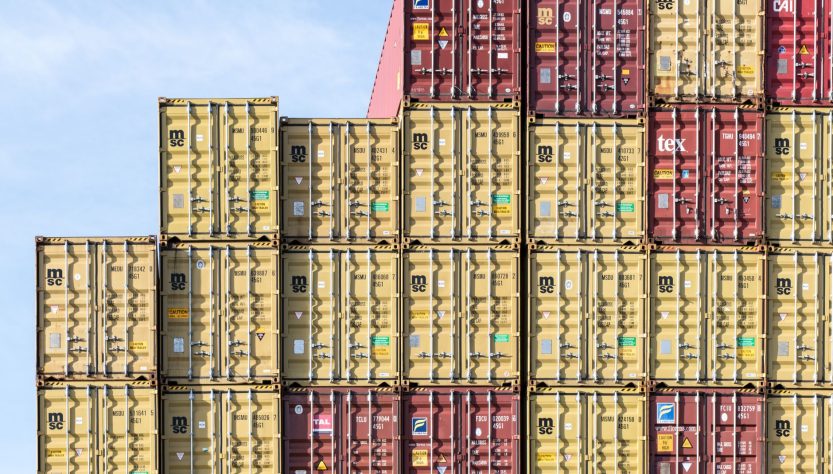
India goods exports surge has been a significant factor in lowering the trade deficit for August 2026, showcasing the country’s robust economic performance.
Overview of India’s Trade Performance
India’s recent trade performance has shown remarkable resilience, with goods exports experiencing a substantial surge. In August 2026, exports increased by an impressive 26%, contributing positively to the nation’s economic landscape. This surge in goods exports is a critical factor in lowering the trade deficit, which has been a concern for policymakers.
The growth in exports can be attributed to several key factors:
- Increased Global Demand: A rebound in international markets has led to higher demand for Indian products.
- Diversified Export Base: India has expanded its export portfolio to include a wider range of goods.
- Government Initiatives: Various policies aimed at boosting manufacturing and exports have taken effect.
As India goods exports surge, it becomes increasingly vital to focus on sustainable trade practices that will ensure long-term benefits for the economy.
Impact of Export Growth on Economy
The recent surge in India’s goods exports has had a significant impact on the economy. With a remarkable increase of 26% in August 2026, this growth has helped to substantially lower the trade deficit. The rise in exports reflects not only the resilience of Indian manufacturers but also the effectiveness of government initiatives aimed at promoting international trade.
This surge has several positive implications for the economy:
- Job Creation: Increased exports often lead to higher production levels, which in turn creates more job opportunities across various sectors.
- Foreign Exchange Reserves: A rise in goods exports contributes to strengthening the country’s foreign exchange reserves, providing greater economic stability.
- Investment Growth: Positive export performance attracts foreign direct investment, further stimulating economic growth.
Overall, the boost in India goods exports serves as a crucial lever in balancing the trade deficit while fostering sustainable economic development.
Sector-wise Analysis of Goods Exports
The recent surge in India’s goods exports has shown a significant impact across various sectors, contributing to a narrowing trade deficit. An analysis reveals key areas driving this growth:
- Textiles and Apparel: This sector has seen a robust increase, with exports boosted by global demand, particularly in the United States and Europe.
- Pharmaceuticals: India remains a leader in generic drugs, with a substantial rise in exports, aiding in the country’s economic stability.
- Engineering Goods: With advancements in technology and manufacturing, engineering goods have become a major export component, showcasing India’s capabilities.
- Agricultural Products: The surge in agricultural exports, particularly rice and spices, highlights the potential of India’s agricultural sector in global markets.
These sectors collectively contribute to the impressive figures reflected in the recent reports of India goods exports surge, further solidifying the country’s position in the global trade arena.
Comparative Trade Deficit Trends
The recent surge in India goods exports has significantly influenced the country’s trade deficit trends. Analyzing the data from the past few years reveals notable shifts that highlight the impact of export performance on the overall economy.
In August 2026, India recorded a remarkable 26% increase in goods exports compared to the previous year. This surge has contributed to a narrowing of the trade deficit, which had been a persistent challenge for the nation. The following points summarize the comparative trade deficit trends:
- 2019-2020: Trade deficit peaked due to sluggish export growth.
- 2021-2022: Initial recovery phase with a slight reduction in the deficit.
- 2023-2024: Exports gained momentum, leading to a more balanced trade scenario.
- 2025-2026: Continued growth, setting the stage for the latest surge.
This trajectory underscores the importance of strategic initiatives to bolster export growth and manage the trade deficit effectively.
Government Initiatives Supporting Exports
The Indian government has implemented several initiatives to bolster the country’s export performance, contributing to the recent surge in goods exports. These strategies aim to enhance competitiveness and support businesses in reaching international markets.
Key initiatives include:
- Production-Linked Incentive (PLI) Schemes: Designed to encourage manufacturing in various sectors, these schemes provide financial incentives to boost production and subsequently increase exports.
- Trade Facilitation Measures: Streamlined customs processes and documentation requirements have been introduced to simplify export procedures, making it easier for businesses to navigate international trade.
- Market Access Support: The government has focused on identifying new markets and reducing barriers, ensuring that Indian goods reach a broader audience.
- Financial Assistance Programs: Exporters are receiving help through low-interest loans and grants, enabling them to scale operations and enhance export capacities.
These government initiatives are essential in driving the recent India goods exports surge, supporting the overall aim of reducing the trade deficit.
Challenges Faced by Exporters
Despite the notable increase in India’s goods exports, several challenges continue to hinder exporters from fully capitalizing on this surge. One significant issue is the logistical bottleneck that many businesses face, which affects timely deliveries and increases overall costs. Additionally, fluctuating global demand can disrupt export plans, making it crucial for exporters to adapt quickly.
Another challenge is the currency volatility, which can impact profit margins for exporters who deal in foreign currencies. Furthermore, compliance with international regulations and standards poses a hurdle for many small and medium-sized enterprises, complicating their ability to compete on a global scale.
Lastly, exporters often struggle with securing financing, as banks may be hesitant to provide loans without solid export records. Addressing these challenges is essential for sustaining the momentum of India goods exports surge and ensuring long-term growth in the export sector.
Future Outlook for Indian Exports
The future outlook for Indian exports appears optimistic as various factors contribute to the ongoing India goods exports surge. With a robust global demand for Indian products, the government is focusing on enhancing trade agreements and improving logistics infrastructure. This proactive approach is expected to further boost export levels in the coming years.
Additionally, the implementation of advanced technologies in production processes is likely to increase efficiency, allowing Indian manufacturers to compete more effectively on the international stage. The emphasis on sustainability and environmentally friendly practices is also anticipated to attract more foreign buyers, aligning with global trends.
However, challenges such as fluctuating currency rates and geopolitical tensions may pose risks to sustained export growth. It will be crucial for exporters to adapt to these uncertainties while leveraging the favorable conditions present in the global market. Overall, with the right strategies and support, the Indian export landscape is set for continued expansion.
Conclusion and Key Takeaways
In light of the recent data, it is evident that India goods exports surge has played a crucial role in enhancing the nation’s economic landscape. This remarkable growth not only reflects the resilience of Indian exporters but also underscores the effectiveness of government initiatives aimed at promoting trade.
Key takeaways from the analysis include:
- Significant Growth: A 26% increase in goods exports has contributed to a notable reduction in the trade deficit, showcasing India’s potential in international markets.
- Sectoral Strength: Certain sectors have outperformed others, indicating areas where India can further capitalize on global demand.
- Collaborative Efforts: The synergy between government policies and private sector initiatives has been vital in overcoming challenges faced by exporters.
- Future Potential: The outlook for Indian exports remains positive, with ongoing efforts to address barriers and enhance competitiveness.
As India continues on this upward trajectory, stakeholders must remain vigilant and adaptive to sustain this momentum in the export landscape.
The recent increase in international demand has led to a significant rise in India goods exports surge. By implementing innovative trade policies, the government aims to further capitalize on this momentum to reduce the trade deficit.
Photo by Wolfgang Weiser on Pexels