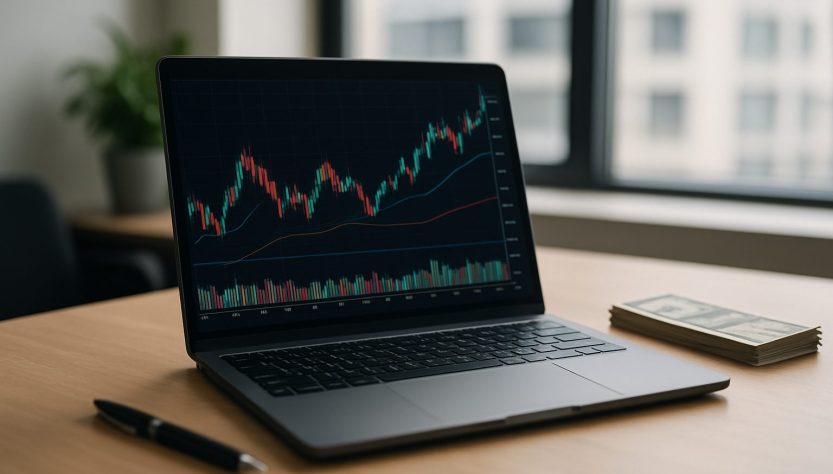
Every trader dreams of consistent profits, but few consider that survival comes first. Those who last in this market are rarely the ones chasing big wins; they are the ones who protect what they already have. Market analysis plays a quiet but powerful role here, guiding decisions long before a trade is ever placed. Understanding how price behaves, where momentum shifts, and when volatility spikes gives traders the foundation they need to manage risk wisely. In forex trading, capital protection isn’t a side consideration, it’s the discipline that separates those who endure from those who burn out early. This article answers the most common questions traders ask about using analysis to safeguard their accounts and trade with greater confidence.
Why does market analysis matter for managing risk?
Analysis gives traders context. Without it, decisions become guesswork, and guesswork rarely holds up when real money is on the line. By studying price charts, trend direction, and key support or resistance zones, traders gain a clearer picture of where the market might move next. This clarity helps them avoid impulsive entries and instead plan trades around logical, well-researched levels. When a trader understands the broader market structure, they are far less likely to be caught off guard by sudden reversals.
How does analysis help with setting sensible stop-loss levels?
A stop-loss is only as effective as the thinking behind it. Many traders place stops arbitrarily, based on a fixed distance or gut feeling, which often leads to premature exits or unnecessary losses. Technical analysis offers a smarter approach. By identifying natural support and resistance areas, recent swing highs or lows, or volatility ranges, traders can position stops where the market is less likely to trigger them through normal price noise. This method respects the market’s natural rhythm rather than fighting against it, giving trades room to breathe while still protecting capital from significant downside.
What role does analysis play in position sizing?
Position sizing is one of the most overlooked aspects of risk management, yet it has a direct impact on long-term account health. Analysis helps traders assess how much volatility a currency pair typically experiences, which in turn informs how large or small a position should be. A pair with wider price swings generally calls for a more conservative position size, while a calmer, more stable pair may allow for slightly larger exposure. By aligning position size with market conditions rather than emotion, traders maintain consistency and avoid the kind of oversized bets that can quickly erode an account.
Can analysis help traders avoid preventable losses?
Yes, and this is where market analysis proves most valuable. Many losses in trading are not caused by bad luck but by avoidable mistakes: entering during high-impact news without preparation, ignoring clear trend reversals, or trading against strong momentum. Careful analysis of chart patterns, economic calendars, and overall market sentiment helps traders recognize these warning signs early. Instead of reacting emotionally, they can make informed decisions about whether to enter, wait, or step aside entirely. Over time, this proactive approach reduces the number of unnecessary losses and builds a more resilient trading record.
How does this approach support long-term capital protection?
Capital protection is not about avoiding every loss, since losses are a natural part of trading. It’s about ensuring that no single mistake has the power to derail an entire strategy. When traders combine thoughtful analysis with disciplined stop-loss placement and sensible position sizing, they create a buffer that allows their account to withstand inevitable rough patches. This steady, methodical approach often outperforms strategies built purely on prediction or instinct, because it prioritizes survival alongside growth.
What is the key takeaway for traders focused on risk management?
Strong analysis does more than identify opportunities; it shapes how traders manage the risks tied to every opportunity. From setting stops that respect market structure to sizing positions according to volatility, each decision becomes more intentional when grounded in genuine research. Traders who prioritize this discipline tend to build steadier, more sustainable results over time. Protecting capital today creates the foundation for stronger, more confident trading tomorrow.