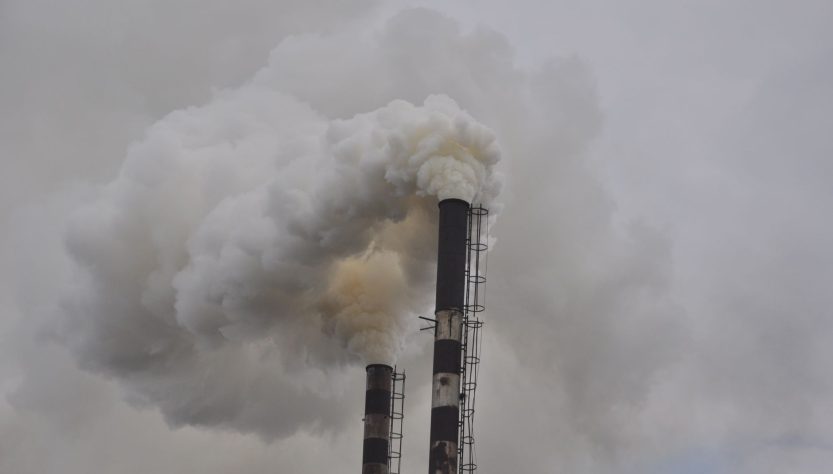
pollution health insurance claims have seen a dramatic rise, increasing 4.3 times over the past three years, particularly among working professionals. This alarming trend raises significant concerns about the impact of environmental factors on health.
Understanding the Rise in Pollution Health Insurance Claims
The recent surge in pollution health insurance claims has raised significant concern among health experts and insurers alike. Over the past three years, such claims have increased by 4.3 times, highlighting the growing impact of environmental factors on public health. This alarming trend appears to be primarily driven by the increasing number of ailments linked to pollution.
Data indicates that more than half of these claims originated from working professionals, who are often exposed to higher levels of pollutants due to urban living and occupational hazards. The rise in health issues such as respiratory diseases, skin conditions, and cardiovascular problems has prompted many individuals to seek compensation through health insurance.
Several factors contribute to this increase in pollution health insurance claims:
- Urbanization: Rapid urban development often leads to higher pollution levels, affecting air quality.
- Industrial emissions: Factories and power plants release harmful substances into the environment, exacerbating health risks.
- Awareness: Growing public awareness about the health effects of pollution has encouraged more people to file claims.
- Health monitoring: Enhanced medical diagnostics have made it easier to link illnesses to pollution exposure.
This increasing trend of pollution health insurance claims underscores the urgent need for effective public policies aimed at reducing environmental pollutants and protecting public health.
Impact on Working Professionals
The recent surge in pollution health insurance claims has raised significant concerns, particularly among working professionals. As urban environments become increasingly polluted, the impact on health is becoming more evident, leading to a substantial rise in claims related to pollution-related ailments.
Statistics reveal that over half of the total pollution health insurance claims originated from this demographic. Working professionals, often exposed to high levels of pollution during their daily commutes and at their workplaces, are particularly vulnerable to respiratory issues, cardiovascular diseases, and other related health problems.
Many companies are now recognizing the financial implications of this trend. Increased health insurance claims due to pollution-related illnesses can lead to higher premiums and costs for employers, prompting them to consider investments in employee wellness programs and better air quality measures within office environments.
Moreover, the psychological impact of pollution cannot be overlooked. Stress and anxiety regarding health risks associated with pollution can further exacerbate issues, making it essential for organizations to address both physical and mental health concerns.
As awareness grows, it is clear that the rise in pollution health insurance claims is not just a statistic; it reflects a pressing reality that calls for urgent action from both employers and policymakers to protect the health of the workforce.
Key Statistics Behind the Surge
Recent data reveals alarming trends in pollution health insurance claims, indicating a significant rise over the past three years. Key statistics highlight the severity of the situation:
- 4.3 times increase: Claims related to pollution have surged by 4.3 times, showcasing the growing health risks associated with environmental factors.
- Demographic insights: Over 50% of these claims originate from working professionals, emphasizing the impact of pollution on those in active employment.
- Age factor: The majority of claims have been reported by individuals aged between 30 and 45, suggesting that younger working adults are particularly vulnerable to pollution-related health issues.
- Health conditions: Common ailments reported include respiratory disorders, cardiovascular diseases, and stress-related conditions, all of which are exacerbated by exposure to polluted environments.
- Regional variations: Urban areas have seen a higher concentration of claims, often correlating with industrial activities and traffic congestion.
- Insurance provider responses: Many health insurance companies are now revising their policies to accommodate the rising trend in pollution health insurance claims, aiming to provide better coverage for affected individuals.
The statistics paint a concerning picture of how pollution is increasingly affecting the health of working professionals, leading to a rise in health insurance claims.
Health Risks Associated with Pollution
Pollution continues to pose significant health risks, leading to a marked increase in pollution health insurance claims. Individuals exposed to high levels of environmental contaminants are at a greater risk of developing various medical conditions that can require extensive treatment.
Among the most common health issues associated with pollution are:
- Respiratory Diseases: Exposure to pollutants can lead to chronic conditions such as asthma and chronic obstructive pulmonary disease (COPD).
- Cardiovascular Problems: Air pollution is linked to an increased incidence of heart attacks and other heart-related ailments.
- Cancer: Certain chemicals found in polluted environments are known carcinogens, raising the risk of various cancers.
- Neurological Disorders: Emerging research suggests a correlation between pollution and conditions like Alzheimer’s disease.
The increasing prevalence of these health issues has resulted in a surge of claims filed with health insurance providers. As medical expenses continue to rise, more individuals are seeking coverage to manage the financial burden associated with pollution-related health problems. The trend underscores the urgent need for improved environmental policies and public awareness to mitigate the impacts of pollution on health.
What This Means for the Insurance Industry
The rise in pollution health insurance claims signifies a growing challenge for the insurance industry, prompting a reevaluation of policies and practices. As the number of claims related to pollution increases, insurance companies are faced with the need to adapt their coverage options and pricing structures.
A few implications for the industry include:
- Policy Adjustments: Insurers may need to modify existing health policies to better address the specific health issues linked to pollution exposure, which could include respiratory diseases and chronic illnesses.
- Risk Assessment: There will be a greater emphasis on assessing environmental risks when underwriting new policies. Insurers will need to gather more data on pollution levels in various locations.
- Increased Premiums: As claims related to pollution health issues rise, insurers may increase premiums to offset rising costs, making insurance less affordable for some consumers.
- Awareness Campaigns: Insurance companies may invest in public health campaigns to educate clients on pollution risks and preventive measures, thereby fostering a more informed customer base.
Ultimately, the surge in pollution health insurance claims reflects a significant shift within the insurance industry, compelling providers to take a proactive approach to manage the implications of environmental health risks.
Photo by SANDEEP KUMAR SHARMA on Pexels
Sources
Related stories
Is Fairfax Exit from IIFL Finance the Worst Move Ever? · Stock recommendations November 12: What are the Best Picks? · Bank of Canada rate hikes: Smart Insights on Decisions