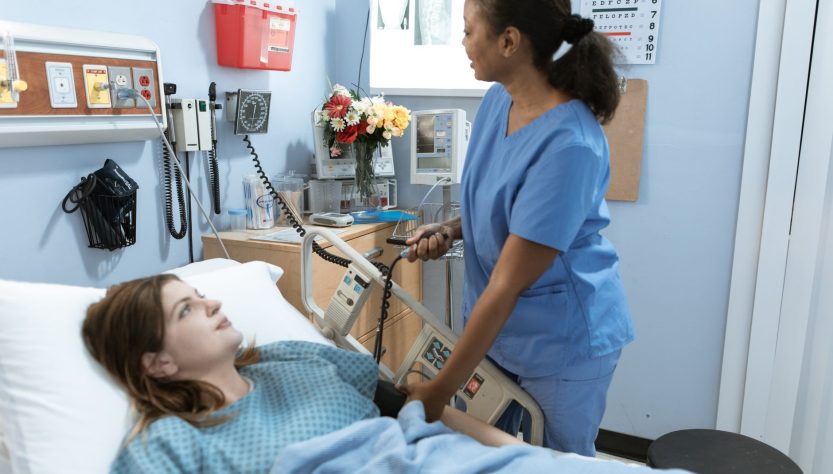
The healthcare sector continues to depend on qualified professionals who can provide reliable, compassionate, and patient-focused care across different settings. As healthcare needs evolve, Nursing jobs (pflege jobs) remain an important part of the employment landscape, offering opportunities for professionals with different qualifications, interests, and career goals. Workforce trends show that nursing continues to require strong practical skills, adaptability, communication, and a commitment to quality care.
Table of Contents
- Why Nursing Remains a Strong Career Field
- Different Areas of Nursing Employment
- Skills Employers Commonly Value
- Qualifications and Professional Development
- What Job Seekers Should Consider
- The Future of Nursing Employment
- Conclusion
Why Nursing Remains a Strong Career Field
Nursing is closely connected to the daily functioning of healthcare services. Nurses support patients throughout treatment, recovery, rehabilitation, and long-term care. Their responsibilities can vary according to their qualifications and workplace, making the profession suitable for individuals who want a career with meaningful responsibilities and professional development.
Employment trends in healthcare consistently highlight the importance of skilled nursing professionals. An aging population, changing care requirements, and growing expectations for patient-centered services continue to influence workforce planning. These developments create an environment in which capable nursing professionals remain valuable across healthcare organizations.
Different Areas of Nursing Employment
Nursing careers are not limited to a single type of workplace. Professionals may find opportunities in hospitals, residential care facilities, rehabilitation centers, outpatient services, specialist clinics, and community-based healthcare environments.
Each setting can involve different responsibilities. Hospital nurses may work closely with medical teams during treatment and recovery, while community-based professionals may focus more strongly on ongoing patient support. Care facilities can require a combination of clinical knowledge, personal attention, and communication with families.
This variety is one of the major characteristics of the nursing employment market. Professionals can consider roles that match their experience, preferred working environment, and long-term career direction.
Skills Employers Commonly Value
Workforce expectations in nursing extend beyond technical knowledge. Employers generally look for professionals who can communicate clearly, remain dependable under pressure, and work effectively with colleagues.
Important qualities include clinical awareness, empathy, organization, attention to detail, and responsible decision-making. Nurses also need to maintain accurate documentation and follow established healthcare procedures. The ability to adapt to new technologies and changing workplace practices is increasingly relevant.
Strong interpersonal skills are equally important. Patients and their families often need clear explanations and reassurance, while healthcare teams depend on effective communication to coordinate care safely.
Qualifications and Professional Development
A successful nursing career generally begins with appropriate education, professional recognition, and practical experience. Depending on the position, employers may require specific qualifications, language abilities, professional registration, or experience in a particular area of care.
Professional development remains an important workforce trend because healthcare practices continue to change. Nurses may strengthen their careers through additional training, specialist education, practical learning, and experience in different healthcare environments.
Continuous learning can also help professionals remain confident when dealing with updated procedures, digital healthcare systems, and evolving patient needs.
What Job Seekers Should Consider
When evaluating nursing opportunities, candidates should look beyond the job title. The working environment, responsibilities, professional expectations, scheduling arrangements, development opportunities, and organizational culture can all influence job satisfaction.
A clear understanding of the position can help candidates identify roles that genuinely match their skills. Reviewing job descriptions carefully and preparing relevant professional documents can also make the application process more effective.
The Future of Nursing Employment
The future of nursing is likely to remain closely connected with broader healthcare workforce trends. As care becomes increasingly patient-centered, healthcare organizations will continue to value professionals who combine practical competence with communication and adaptability.
Digital tools may change how nurses document information, coordinate services, and support patients, but professional judgment and human interaction remain central to nursing care.
Conclusion
Nursing continues to offer a meaningful professional path for people who value healthcare, responsibility, and direct patient support. Workforce trends indicate ongoing demand for adaptable and qualified professionals across diverse care environments. By developing relevant skills, maintaining professional knowledge, and carefully evaluating available opportunities, nursing professionals can build sustainable careers while contributing to effective and compassionate healthcare services.