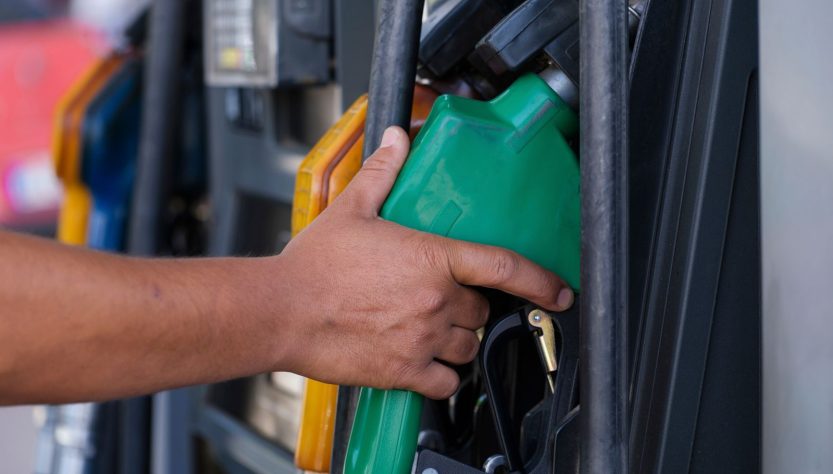
Israel fuel tax cut has been implemented as gasoline prices hit record highs. This decision seeks to ease the financial burden on consumers amidst rising fuel costs.
Overview of Israel’s Fuel Tax Cut
The recent decision by the Israeli government to implement a fuel tax cut has sparked considerable debate among consumers and experts alike. As gasoline prices reach a record high, the government aims to alleviate the financial burden on citizens struggling with increasing living costs.
This fuel tax cut is expected to have a range of implications for the economy and consumers. Some key points to consider include:
- Immediate Relief: The tax cut is designed to provide immediate financial relief to consumers, reducing the overall cost of fuel at the pump.
- Economic Impact: Lower fuel prices could stimulate consumer spending in other areas, potentially boosting the economy.
- Environmental Concerns: Critics argue that a fuel tax cut may discourage efforts to transition to more sustainable energy sources.
- Long-term Viability: Questions remain about the sustainability of this policy and its effectiveness in the long run.
As the effects of the fuel tax cut unfold, it will be crucial to monitor its impact on both consumers and the broader economy, determining whether this move is beneficial for the Israeli populace.
Impact on Gasoline Prices
The recent decision by the Israeli government to implement a fuel tax cut has sparked significant discussion regarding its potential impact on gasoline prices. With prices reaching record highs, the cut aims to alleviate the financial burden on consumers.
Experts suggest that while the fuel tax cut may provide temporary relief, its effectiveness in reducing overall gasoline prices remains uncertain. The following points illustrate the factors at play:
- Supply and Demand: Global oil prices continue to fluctuate, influenced by geopolitical tensions and supply chain issues, which may counteract the effects of the tax reduction.
- Market Reactions: Retail gasoline prices are often slow to adjust. Consumers may not see immediate changes at the pump, even with the tax cut.
- Long-Term Effects: While the tax cut may reduce prices in the short term, experts warn that it could lead to increased consumption and, subsequently, higher prices in the future.
- Consumer Sentiment: Many consumers welcome the fuel tax cut, viewing it as a necessary response to rising costs, but they remain cautious about its long-term implications.
Ultimately, the Israel fuel tax cut represents a bold move, but its long-lasting benefits for consumers are yet to be determined.
Consumer Reactions to Fuel Tax Changes
As Israel implements its fuel tax cut, consumer reactions have been mixed, reflecting a spectrum of opinions regarding its potential impact. Many drivers express relief, hoping that the reduction in fuel taxes will lead to lower gasoline prices at the pump. David Cohen, a frequent commuter, stated, “Every shekel counts, especially with the rising cost of living. I welcome the fuel tax cut as it will ease some of the financial burden.”
However, not all consumers are optimistic about the change. Leah Rubin, a local business owner, voiced her concerns: “While a tax cut sounds good, I’m worried it won’t be enough to offset the record high prices we’ve been seeing. I need to see real change in my expenses.”
Additionally, some environmental advocates argue that reducing fuel taxes may hinder efforts to promote sustainable transportation. Yossi Green, an environmental activist, noted, “A fuel tax cut can discourage the switch to electric vehicles and public transport. We should be investing in greener alternatives instead.”
As the effects of the tax cut unfold, it remains to be seen how consumers will adapt to the changing landscape of fuel prices in Israel.
Economic Implications of Tax Adjustments
The recent Israel fuel tax cut decision has raised questions regarding its economic implications. Analysts suggest that reducing fuel taxes may provide immediate relief to consumers facing rising costs at the pump. However, the long-term effects on the economy could be more complex.
One potential benefit of the tax cut is the increase in disposable income for consumers, which could lead to greater spending in other sectors. This, in turn, might stimulate economic growth. Additionally, lowering fuel prices may encourage businesses that rely heavily on transportation, allowing them to reduce operational costs and potentially pass savings onto customers.
On the flip side, critics argue that the tax cut could lead to a significant reduction in government revenue, which may affect public services and infrastructure funding. Moreover, if global oil prices continue to rise, the benefits of a temporary tax cut may quickly evaporate, leaving consumers vulnerable once again.
Furthermore, the environmental implications of encouraging increased fuel consumption cannot be overlooked. As the country navigates these economic conditions, the balance between consumer relief and sustainable fiscal policy remains a critical point of discussion.
Comparative Analysis of Fuel Taxes
The recent Israel fuel tax cut has prompted a critical examination of fuel taxes in various countries. Understanding the implications of such cuts requires a comparative analysis of existing fuel tax structures globally.
Countries implement fuel taxes for multiple reasons, including revenue generation and environmental policy. For instance, in Europe, fuel taxes are often higher than in Israel, aimed at reducing carbon emissions and encouraging public transport use. Countries like Norway and the Netherlands impose steep taxes on gasoline, which can account for over 60% of the total price consumers pay at the pump.
In contrast, the United States has a more varied approach, with federal and state fuel taxes differing widely, leading to significant disparities in gasoline prices across states. While some states maintain low fuel tax rates, others impose higher taxes to fund infrastructure projects.
As Israel navigates its fuel tax cut, it faces the challenge of balancing consumer relief against potential revenue losses. The effectiveness of this measure in providing long-term benefits to consumers remains to be seen, especially in light of fluctuating global oil prices and the overarching need for sustainable energy policies.
Future Projections for Fuel Costs
As the ripple effects of the Israel fuel tax cut continue to unfold, experts are weighing in on future projections for fuel costs. The recent tax adjustment aims to alleviate the financial burden on consumers amidst soaring gasoline prices, which have reached record highs.
Analysts predict several potential outcomes in the coming months:
- Price Stabilization: The fuel tax cut may lead to a temporary stabilization in fuel prices, providing consumers with much-needed relief.
- Increased Demand: Lower prices could stimulate demand, potentially offsetting some of the benefits gained from the tax cut.
- Government Revenue Impact: A reduction in fuel tax revenues may prompt the government to reconsider future tax policies or seek alternative revenue sources.
- Global Market Influences: Fluctuations in global oil prices may still impact local fuel costs, regardless of the tax changes.
Ultimately, while the Israel fuel tax cut aims to ease consumer burdens, its long-term effectiveness will depend on a variety of economic factors and the global market landscape. Consumers and policymakers alike will need to stay vigilant as these dynamics evolve.
Conclusion on Israel’s Fuel Tax Strategy
In light of the recent Israel fuel tax cut, it is essential to assess whether this strategy truly benefits consumers in the long term. While the immediate reduction in gasoline prices offers relief to motorists grappling with soaring costs, the sustainability of this approach raises questions. As the government opts to lessen fuel taxes, concerns about potential revenue shortfalls and their impact on public services emerge.
Moreover, the cut may not entirely resolve the underlying issues driving fuel prices upward, such as global market fluctuations and geopolitical tensions. Consumer reactions suggest a mixture of gratitude for lower prices and skepticism about the permanence of these changes. Many are eager to understand whether this tax cut is merely a temporary fix or part of a broader, more effective energy policy.
In conclusion, while the fuel tax cut in Israel provides immediate financial relief, it is crucial for policymakers to consider its long-term implications. Balancing consumer needs with economic stability will determine the success of this initiative and its effect on the nation in the months and years to come. The path forward requires careful navigation to ensure that the benefits of reduced fuel costs do not come at the expense of broader economic health.
The Israel fuel tax cut aims to alleviate the financial burden on consumers facing rising fuel prices. However, many are questioning whether the Israel fuel tax cut will provide long-term benefits or simply serve as a temporary relief measure.
Photo by Engin Akyurt on Pexels