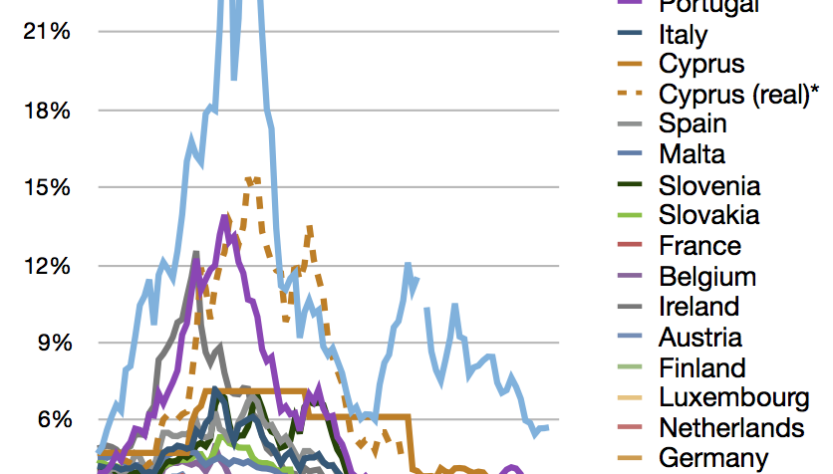
The 10-year bond yield is currently range-bound as investors await clarity from the RBI policy. This situation arises amid ongoing data uncertainty affecting market sentiment.
Understanding the 10-Year Bond Yield
The 10-year bond yield serves as a crucial indicator of economic health and investor sentiment. It reflects the return on investment for government bonds maturing in ten years, providing insights into future interest rates and inflation expectations.
Currently, the 10-year bond yield is experiencing a range-bound movement as market participants await the Reserve Bank of India’s (RBI) upcoming policy decision. This period of uncertainty is characterized by mixed economic data, which has left investors cautious.
Several factors influence the fluctuations in the 10-year bond yield:
- Inflation Rates: Rising inflation can lead to higher yields as investors demand greater returns to offset the eroding purchasing power.
- Central Bank Policies: Decisions made by the RBI, such as changes in interest rates, can significantly impact bond yields.
- Global Economic Conditions: Events in major economies, including changes in monetary policy in the U.S. or Europe, can create ripples in the Indian bond market.
- Market Sentiment: Investor confidence plays a key role in bond demand, affecting yields accordingly.
As the RBI’s policy meeting approaches, analysts anticipate that the direction of the 10-year bond yield will become clearer, potentially impacting market strategies and investment decisions.
Factors Influencing the Bond Market
The bond market is influenced by a myriad of factors that can cause fluctuations in the 10-year bond yield. Understanding these elements is crucial for investors and analysts alike, especially ahead of key policy decisions like those from the Reserve Bank of India (RBI).
Several major factors play a role in determining the trajectory of the 10-year bond yield:
- Inflation Expectations: High inflation often leads to an increase in bond yields as investors demand higher returns to compensate for the decrease in purchasing power.
- Central Bank Policy: The stance adopted by the RBI regarding interest rates significantly impacts the bond market. A hawkish outlook typically prompts rising yields, while a dovish approach may lower them.
- Economic Data Releases: Key economic indicators, such as GDP growth and employment figures, can sway investor sentiment and, consequently, affect the yield on bonds.
- Global Economic Trends: Developments in foreign markets, including shifts in U.S. Treasury yields, can also have a ripple effect on the domestic bond market.
With these factors in mind, market participants remain vigilant as they await the RBI’s policy announcement, which could provide further clarity on the future direction of the 10-year bond yield.
RBI Policy Implications on Yields
The upcoming Reserve Bank of India (RBI) policy meeting is expected to have significant implications for the 10-year bond yield. As market participants closely monitor economic indicators, the decisions taken by the RBI could lead to increased volatility in bond markets.
Analysts suggest that the RBI’s stance on interest rates will be pivotal. A hawkish approach may result in rising yields, while a dovish policy could keep the 10-year bond yield in a more stable range. The current uncertainties surrounding inflation and economic growth add to the complexity of predicting the central bank’s actions.
Key factors to watch include:
- Inflation Trends: Persistent inflation could prompt the RBI to raise rates, impacting bond yields.
- Economic Growth Data: Stronger-than-expected growth may lead to higher yields as the market adjusts to potential rate hikes.
- Global Economic Conditions: External factors, such as changes in U.S. monetary policy, may influence local bond yields.
Market participants are advised to remain cautious as the RBI’s decisions could set the tone for the bond market in the coming months. The 10-year bond yield remains a critical indicator of economic sentiment and investment strategy.
Current Market Sentiment and Predictions
As the market anticipates the upcoming Reserve Bank of India (RBI) policy announcement, the current sentiment surrounding the 10-year bond yield remains cautious and range-bound. Investors are closely monitoring various economic indicators that could influence monetary policy decisions. The uncertainty surrounding data releases has led to a careful approach among market participants.
Recent trends show that the 10-year bond yield has been fluctuating within a narrow band, reflecting a mix of optimism and apprehension. Analysts believe that the yield will continue to be influenced by the following factors:
- Inflation Rates: Persistent inflation may prompt the RBI to adjust interest rates, impacting bond yields.
- Global Economic Conditions: Changes in major economies could lead to shifts in investor sentiment, affecting demand for bonds.
- Domestic Growth Metrics: Indicators of economic growth will play a crucial role in shaping the outlook for yields.
- Fiscal Policies: Government spending and fiscal deficits may also create volatility in the bond market.
Experts suggest that investors should remain vigilant as the situation develops. A clear direction from the RBI could either stabilize the 10-year bond yield or lead to significant fluctuations, depending on the policy stance taken.
By Spitzl via Openverse