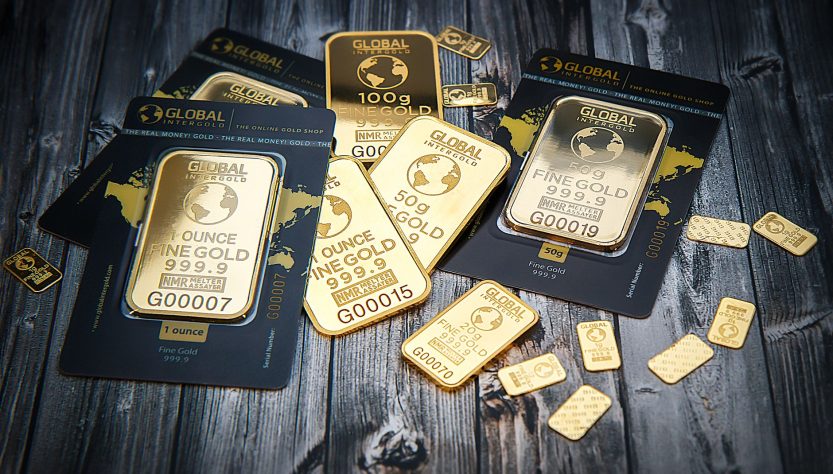
gold prices dip as market dynamics shift, influenced by a stronger dollar and changing interest rate expectations. Investors are closely monitoring these developments.
Understanding the Current Gold Market
The recent fluctuations in the gold market have raised questions among investors regarding the best time to buy. Currently, gold prices dip due to several influencing factors, with a stronger dollar being a primary contributor. As the dollar gains strength, gold, which is priced in dollars, becomes more expensive for investors using other currencies, thus reducing demand.
Additionally, the outlook on interest rates plays a significant role in the gold market. When interest rates are expected to rise, the opportunity cost of holding gold, which does not yield interest, increases. This scenario often leads to a decrease in gold investment as traders seek better returns elsewhere.
Market analysts suggest that several key elements need to be monitored:
- Dollar Strength: A continued rise in the dollar can further pressure gold prices.
- Interest Rates: Speculations regarding central bank policies can significantly impact gold’s appeal.
- Global Economic Indicators: Economic stability can either bolster or weaken gold as a safe-haven asset.
Investors are urged to consider these factors carefully as they navigate the current landscape, especially with gold prices dipping, potentially leading to a strategic investment opportunity.
Factors Influencing Gold Prices
The fluctuation of gold prices is influenced by a variety of factors that are essential for investors to understand. Recent trends show that gold prices dip due to several key elements in the global economy.
- Strength of the U.S. Dollar: A stronger dollar often leads to lower gold prices, as it makes the metal more expensive for buyers using other currencies. This inverse relationship is particularly pronounced in times of economic uncertainty.
- Interest Rates: The outlook on interest rates also plays a significant role. When interest rates rise, the opportunity cost of holding non-yielding assets like gold increases, prompting investors to seek higher returns elsewhere.
- Inflation Rates: While gold is traditionally seen as a hedge against inflation, deflationary pressures can lead to decreased demand for gold as a safe haven, resulting in price dips.
- Geopolitical Tensions: Global conflicts or political instability can drive investors towards gold as a safe asset. However, when tensions ease, prices may fall as demand decreases.
As these factors continue to evolve, potential investors must carefully consider whether now is the right time to enter the gold market, especially with current trends showing a dip in gold prices.
Impact of the Stronger Dollar
The recent dip in gold prices can be attributed significantly to the strength of the U.S. dollar. As the dollar gains traction against other currencies, gold becomes more expensive for buyers using foreign currencies, thus reducing demand.
Several key factors contribute to the impact of a stronger dollar on gold prices:
- Currency Valuation: When the dollar rises, it often signals confidence in the U.S. economy, leading investors to prefer dollar-denominated assets over gold.
- Interest Rates: A stronger dollar typically coincides with rising interest rates, which enhances the opportunity cost of holding non-yielding assets like gold.
- Inflation Expectations: If the dollar strengthens due to anticipated interest rate hikes, it can lead to lower inflation expectations, diminishing gold’s appeal as a hedge against inflation.
As investors analyze the current market climate, the recent fluctuation raises concerns about the timing of investments in gold. With gold prices dip influenced by the dollar’s strength, many are left wondering if this is indeed the worst time to invest in the precious metal.
Interest Rate Outlook Analysis
The outlook for interest rates plays a significant role in determining gold prices. Recently, as gold prices dip, analysts are closely monitoring the Federal Reserve’s stance on interest rate adjustments. Rising interest rates generally lead to higher opportunity costs for holding non-yielding assets like gold, making investments in traditional savings accounts or bonds more attractive.
Several factors contribute to the current interest rate landscape:
- Inflationary Pressure: Elevated inflation rates may prompt the Fed to continue increasing rates in an effort to stabilize the economy.
- Economic Growth: Strong economic data can lead to speculation about further rate hikes, which often negatively impacts gold prices.
- Global Events: Uncertainty in international markets can influence how investors perceive risk and shift their portfolios, further affecting gold demand.
As investors evaluate their options, the current interest rate outlook raises important questions. Is now a prudent time to invest in gold, even as gold prices dip? With rising rates potentially on the horizon, many are weighing the balance between risk and reward. Ultimately, informed decisions will depend on individual financial goals and market conditions.
What Investors Should Know
As gold prices dip, investors are left to ponder whether this is a temporary setback or a signal of a deeper trend. Understanding the intricacies of the gold market is crucial for making informed decisions.
Investors should consider the following factors:
- Market Volatility: Gold is often viewed as a safe haven during uncertain times. However, with fluctuating prices, it is essential to assess market conditions regularly.
- Investment Horizon: Short-term investors may find the current dip concerning, while long-term investors may see it as an opportunity to buy at a lower price.
- Global Economic Indicators: Pay attention to economic data, such as inflation rates and geopolitical events, which can significantly impact gold prices.
- Diversification: Gold should be part of a diversified portfolio. Relying solely on gold can increase risk, especially in a volatile market.
While the dip in gold prices might raise alarms, it can also present a unique opportunity for savvy investors. Assessing personal financial goals and market trends can help navigate this shifting landscape.
Future Predictions for Gold Prices
As gold prices dip, investors are left pondering the future of this precious metal. Analysts are divided on whether this trend will continue or if a rebound is on the horizon. Several factors are being considered in making future predictions for gold prices.
- Global Economic Conditions: The health of the global economy plays a significant role in determining gold prices. Economic uncertainties often lead investors to seek safety in gold, driving up demand.
- Inflation Rates: If inflation continues to rise, gold is often seen as a hedge. However, if central banks react with aggressive interest rate hikes, this could further pressure gold prices.
- Geopolitical Tensions: Ongoing conflicts or instability can increase gold’s appeal as a safe haven. Investors should monitor global events closely.
- Market Sentiment: The overall sentiment in the investment community can impact gold prices significantly. If confidence in equities remains strong, investments may divert away from gold.
While some analysts remain cautious about the potential for gold prices to recover in the near term, others suggest that patient investors could find opportunities if the market stabilizes. As always, careful analysis and strategy are crucial for anyone considering entering the gold market during this dip.
As analysts predict further fluctuations, many investors are left wondering if gold prices dip is a signal to hold off on purchases. However, some experts argue that historically, periods when gold prices dip can present unique buying opportunities for long-term investors.
Photo by Michael Steinberg on Pexels